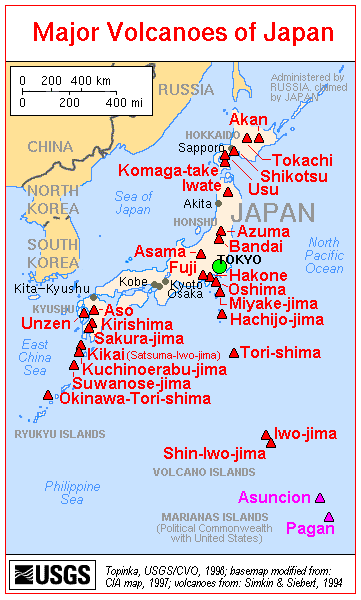


Japan has over 100 active volcanoes, more than almost any other country and accounts alone for about 10 % of all active volcanoes in the world. The volcanoes belong to the Pacific Ring of Fire, caused by subduction zones of the Pacific plate beneath continental and other oceanic plates along its margins.
Japan's volcanic arcs and tectonic setting
Japan is located at the junction of 4 tectonic plates - the Pacific, Philippine, Eurasian and North American plates, and its volcanoes are mainly located on 5 subduction-zone related volcanic arcs where the Pacific Plate descends under the North American Plate along the Kuril Trench and the Japan Trench and underneath the Philippine Sea Plate along the Izu-Bonin Trench. The Philippine Plate itself subducts beneath the Eurasian Plate at the western end, forming the Ryukyu Trench. The principal resulting volcanic ars are:
- Ryukyu Arc and Southwest Honshu Arcs in the south (Philippine plate subducting beneath between the Eurasian Plate),
- Izu-Bonin-Mariana Arc (subduction of Pacific plate beneath Philippine plate)
- Northeast Honshu and Kurile Arc in the north (subduction of Pacific plate beneath the N-American plate)
(more info: www.glgarcs.net/intro/subduction.html)
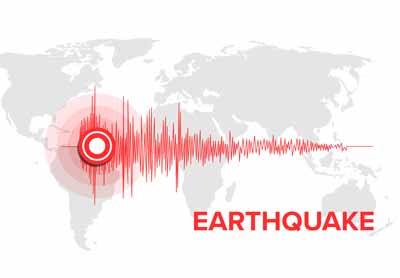
Besides intense volcanic activity, Japan is one of the places in the world most affected by frequent, and sometimes devastatingly large earthquakes. Its oceanic setting makes it vulnerable for tsunamis as well, as the tragedy of the 11 March 2011 8.9 earthquake and tsunami terrifyingly illustrated.
Record in historically documented eruptions
Japan's first documented historical eruption was from Aso volcano in 553 AD , the year after Buddhism was introduced from Korea. It holds a record in the number of historically documented eruptions.
Japan's largest historical eruption (Towada, 915 AD), 17 Japanese volcanoes had been documented in eruption, more than the rest of the world combined (including 10 in Europe).