

Grímsvötn Volcano

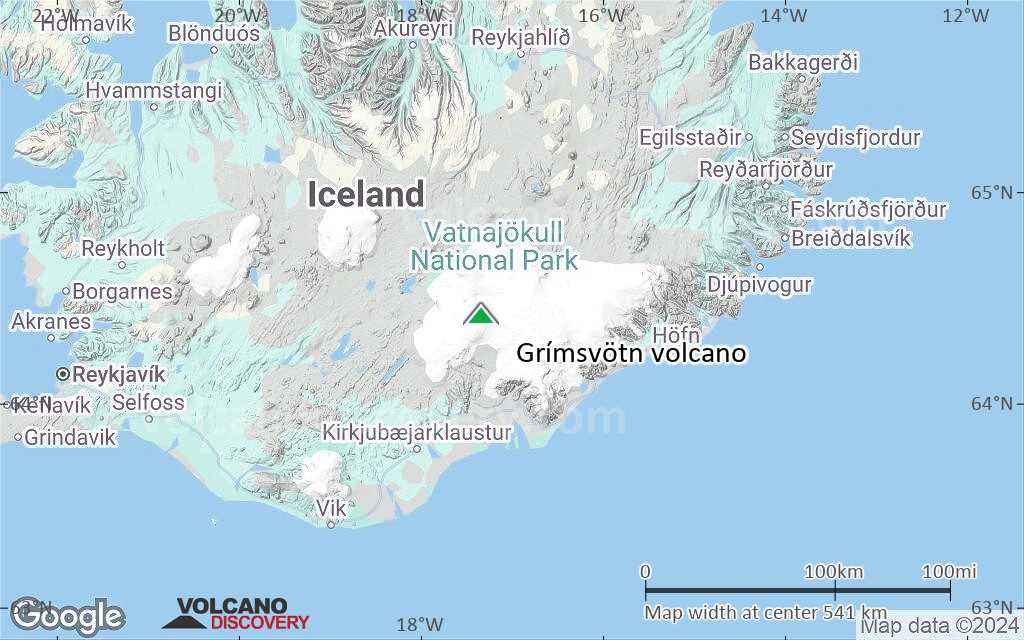
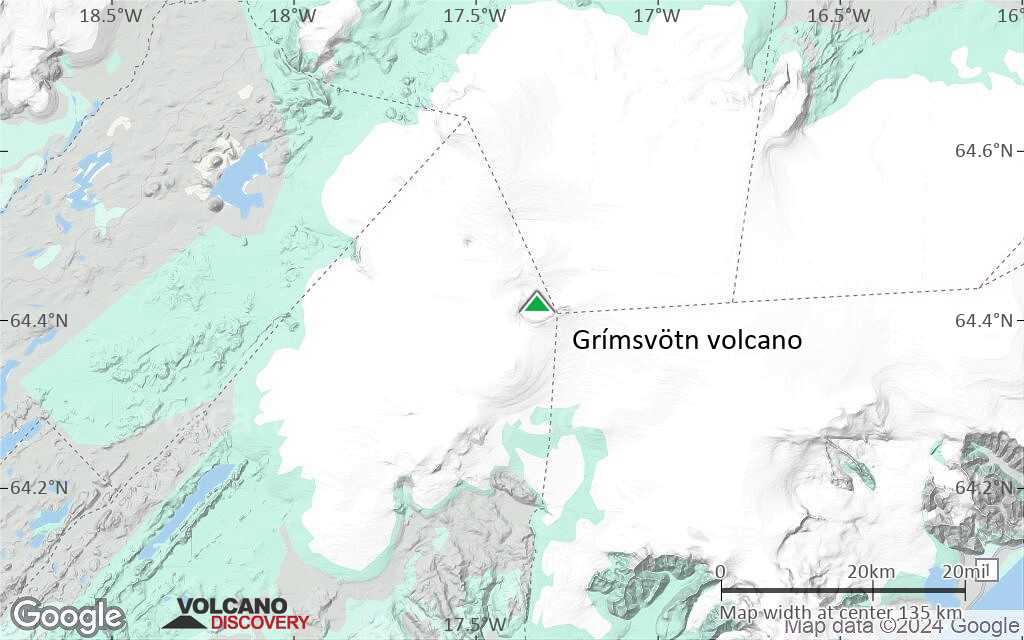
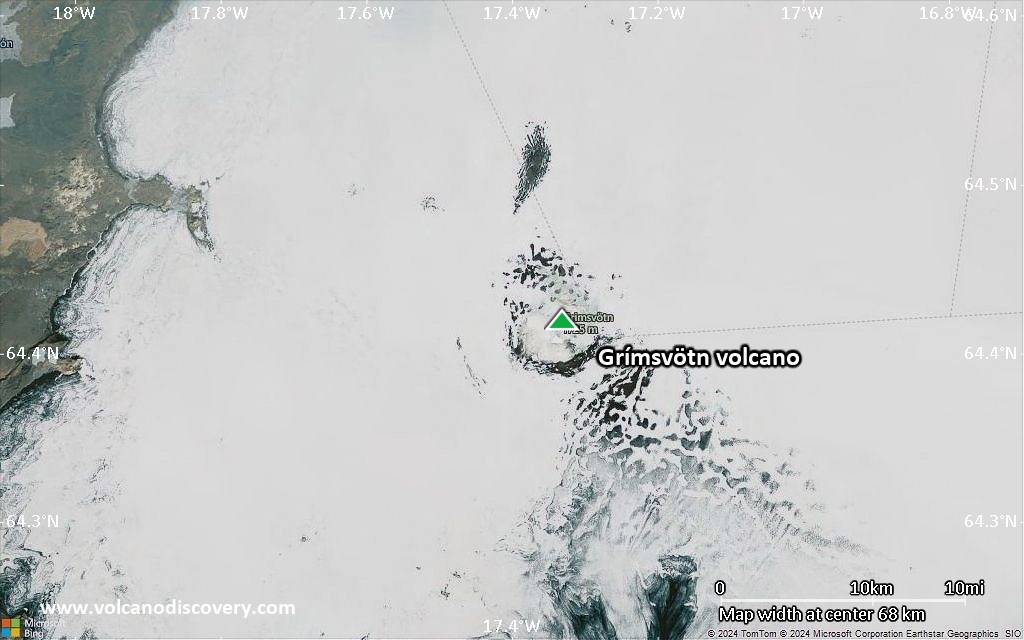
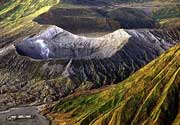
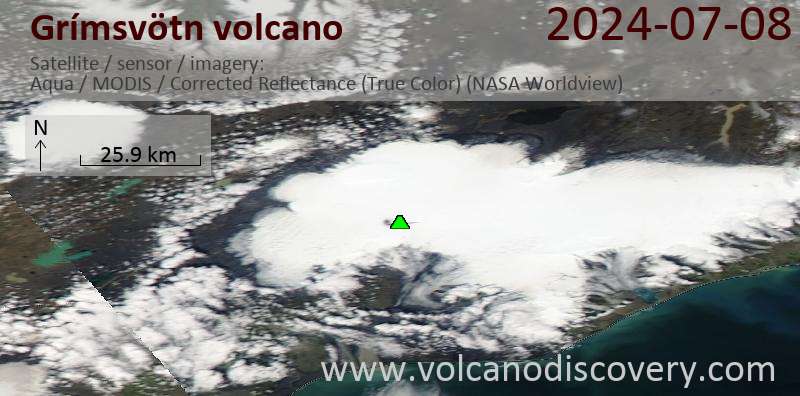
Grímsvötn is Iceland's most frequently active volcano, probably because it is located on the center of the active NE rift zone of Iceland. Most of the volcano is hidden beneath the giant glacier of Vatnajökull, Europe's largest glacier.
Produces notorious and frequent floods of melt-water bursts from the glacier (jökulhlaups).
Grímsvötn volcano eruptions: ca. 1310, 1332, 1341, 1354(?), ca. 1370, ca. 1390, ca. 1430, ca. 1450, ca. 1470, ca. 1490, ca. 1510, ca. 1530, 1598, 1603, 1619, 1629, 1638, 1659, 1681, 1684-85, 1706, 1716, 1725, 1753, 1768, 1774, 1783-85 (Laki fissure eruption: the largest historically known effusive eruption), 1794(?), 1796(?), 1816, 1823, 1838, 1854, 1861(?), 1867, 1873, 1883, 1887-89, 1891-92, 1897, 1902-04, 1922, 1933, 1934, 1934, 1938, 1939(?), 1941(?), 1945, 1948(?), 1954, 1972(?), 1983, 1984(?), 1996, 1998, 2004 (Nov.), 2011 (21-26 May)
Latest nearby earthquakes
| Date and Time | Mag / Depth | Distance / Location | |||
|---|---|---|---|---|---|
| Jul 1, 06:39 am (Universal Time) | 1.6 0.3 km | 23 km (14 mi) to the N | 8.1 km E of Bárðarbunga | Info | |
| Monday, June 30, 2025 GMT (6 quakes) | |||||
| Jun 30, 10:27 pm (Reykjavik) | 0.7 20 km | 19 km (12 mi) to the N | Iceland: 17.6 km ESE of Bárðarbunga | Info | |
| Jun 30, 10:27 pm (Reykjavik) | 0.6 25 km | 17 km (10.8 mi) to the N | Iceland: 16.3 km ESE of Bárðarbunga | Info | |
| Jun 30, 10:26 pm (Reykjavik) | 0.7 16 km | 20 km (13 mi) to the N | Iceland: 17.4 km ESE of Bárðarbunga | Info | |
| Jun 30, 10:25 pm (Universal Time) | 0.7 16 km | 21 km (13 mi) to the N | 17.0 km ESE of Bárðarbunga | Info | |
| Jun 30, 09:47 pm (Universal Time) | 1.8 3.2 km | 28 km (17 mi) to the N | 1.6 km N of Bárðarbunga | Info | |
| Jun 30, 09:22 pm (Reykjavik) | 2.8 1.1 km | 27 km (17 mi) to the N | Iceland I FELT IT | Info | |
| Sunday, June 29, 2025 GMT (1 quake) | |||||
| Jun 29, 10:27 am (Universal Time) | 2.0 1.4 km | 24 km (15 mi) to the N | 6.2 km E of Bárðarbunga | Info | |
| Thursday, June 26, 2025 GMT (1 quake) | |||||
| Jun 26, 10:24 pm (Reykjavik) | 3.1 1.1 km | 29 km (18 mi) to the N | Iceland I FELT IT | Info | |
Background
Grímsvötn volcano has a 6x8 km large caldera, whose southern rim is exposed. The caldera contains a lake of liquid water, due to the thermal energy from the volcano. The lake is covered by the ice of the glacier, but during eruptions or times of increased hydrothermal activity from the volcano, the amount of melt water and the pressure of the lake against the ice above becomes strong enough to lift the ice dam and pour out at the South side of the glacier in devastating floods known as jökulhlaups.During eruptions, the overlying part of the glacier is often melted through, creating a giant hole in the ice permitting breathtaking views from above onto the lake, from where ash and steam can escape.
Fissures and the Laki fissure eruption in 1783:
The volcano's structure seems to be dominated by NE-SW trending fissures that correspond to the rift zone. Eruptions from these fissures can occur well beyond the extent of the glacier, such as the huge eruption in 1783, known as the Laki fissure eruption.
It is the largest known effusive eruption that has occurred on earth during the past millennia. About 15 cubic kilometers of basaltic lava flows were erupted from a 27-km long fissure over a period of 7 months. Accompanied by enormous amounts of suphur dioxide and fluoride gas, the eruption caused wide-spread crop damage, killed a large number of lifestock and caused a severe famine on Iceland. As a result, one fifth of Iceland's population was killed. Some consequences of the eruption were even noticed in other parts of the world: Volcanic fog (the gas cloud from the eruption) was drifting over Europe and parts of Asia, altering summer temperatures. This eruption was the first one that brought some scientists to the idea that volcanoes can impact the world's climate.
Background
Grímsnes is a relatively small volcanic system located SE of Thingvallavatn lake east of an en echelon group of volcanic fields extending across the Reykjanes Peninsula.
Grímsnes lava flows cover 54 sq km and were erupted from a group of 11 fissures that produced a series of NE-SW-trending crater rows. The eruptions of the basaltic Grímsnes lavas were restricted to a relatively short interval between about 6500 and 5500 years ago.
---
Source: GVP, Smithsonian Institute
Significant volcanic eruptions: Grímsvötn volcano
Additionally, there are 10 uncertain or discredited eruptions from Grímsvötn volcano.
| Date | Note | VEI | Deaths | Damage | |
|---|---|---|---|---|---|
| SW part of the caldera Historical obs./docs. | 4 | ||||
| SW and east sides of caldera Historical obs./docs. | 3 | ||||
| South caldera wall Historical obs./docs. | 3 | ||||
| Gjálp (fissure N of caldera rim) Historical obs./docs. | 3? | ||||
| 1996 Sep 30 (eruption | Historical obs./docs. | 3 | light | Info | |
?? | Uncertain Eruption | ? | |||
| Near south caldera wall Historical obs./docs. | 2 | ||||
?? | Uncertain Eruption | ? | |||
?? | Uncertain Eruption | 1? | |||
Historical obs./docs. | 1 | ||||
?? | Uncertain Eruption | ? | |||
?? | Uncertain Eruption | 1? | |||
?? | Uncertain Eruption | ? | |||
?? | Uncertain Eruption | ? | |||
| 8 km N of Svartibunki Historical obs./docs. | 1 | ||||
| Volcano Uncertain: Vatnajökull | ? | ||||
| Near south caldera wall Historical obs./docs. | 2 | ||||
| North of Grímsvötn caldera Historical obs./docs. | 1 | ||||
Historical obs./docs. | 2 | ||||
| Volcano Uncertain | 2? | ||||
Historical obs./docs. | ? | ||||
Grímsvötn Volcano FAQ
+When was the last eruption of Grímsvötn volcano?
The last confirmed eruption of Grímsvötn occurred in 2011.
+How often does Grímsvötn volcano erupt?
Since 1332 AD, Grímsvötn volcano has had at least 37 historically documented eruptions. This means that it erupts on average every 18.7 years.
+How active is Grímsvötn volcano at present?
Grímsvötn volcano is infrequently active: Since 1900, it has had 11 eruptions, and been active during 11 years out of 126 as of now. This means, Grímsvötn has been in eruption one in 11.5 years on average. The last eruption was in 2011 and ended 14 years ago.
+When was the largest eruption of Grímsvötn volcano?
The largest eruption known from the younger geological history of Grímsvötn volcano occurred around 8230 BC. It ranks as a sub-plinian eruption with a magnitude 4 on the VEI (Volcanic Explosivity Index) scale.
Latest satellite images
Grímsvötn Volcano Maps